Gua sha: an ancient self-care practice passed down through generations
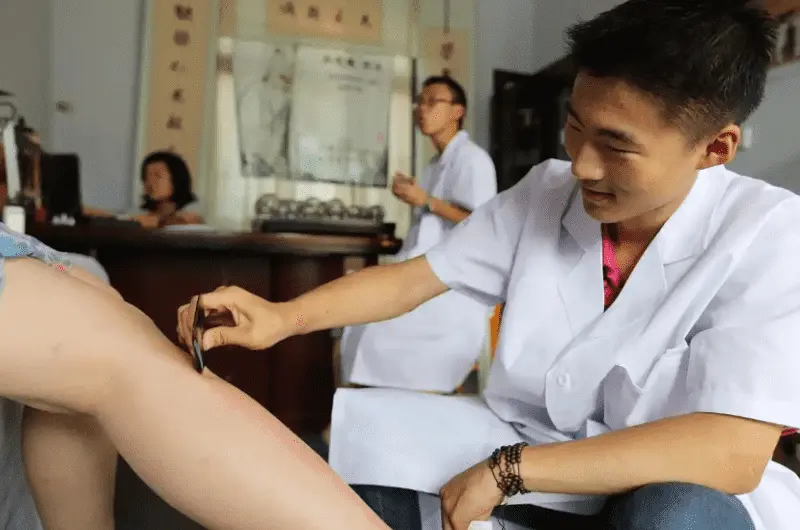
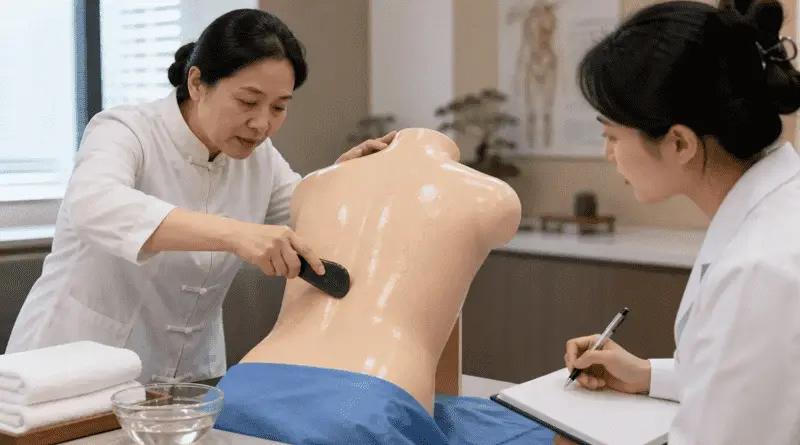
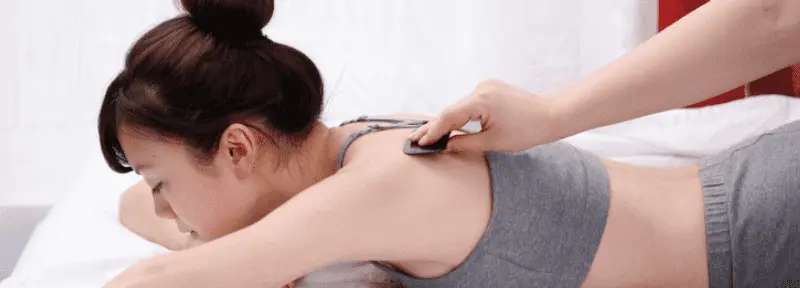
Gua sha is one of China’s traditional natural self-care methods. Rooted in the principles of Traditional Chinese Medicine, this practice uses tools such as ox horn or jade to gently stroke across targeted areas of the skin. It helps expand tiny surface blood vessels and support healthy circulation, to soothe the meridians and encourage gentle, balanced blood flow.
The origins of gua sha stretch all the way back to the Old Stone Age. In those harsh early times, when people felt unwell, they would instinctively press, rub or tap tender spots on their bodies using their hands or stones. Often, this simple touch brought relief. Over generations of trial and observation, this simple habit grew into what we now know as stone therapy — the earliest form of gua sha. As TCM theory developed, this ancient practice evolved into the widely loved gua sha we practice today.
Records of this method appear in the Huangdi Neijing (The Yellow Emperor’s Inner Classic), one of the oldest foundational texts of Chinese medicine. It describes the idea of working with the body: to press, guide, disperse and move stagnation within the body.
Gua sha has long been shared and used among ordinary people. For many, it is a go-to external self-care ritual for home wellness and gentle everyday support. Over time, people experimented with different tools and ways to practice it, helping gua sha spread far and wide.
When you perform gua sha along the meridian points on your skin, you may notice reddish or purplish marks rise on the surface. These marks are a temporary response of the body. The practice supports the body’s natural outward release of stagnation, as a gentle way to nurture your well-being at home.